How Much Does a Bidet Actually Save You? (2026 Numbers)
BidetLabs · Updated August 2026 · 7 min read
The short version: a $34 bidet attachment pays for itself in under a month for most families and saves hundreds of dollars every year after that. Here's how the numbers actually work.
What Americans Actually Spend on Toilet Paper
The average American uses about 100 rolls of toilet paper per year, spending roughly $120-$180 annually. For a family of four, that's $480-$720/year at minimum - and most families with kids land at the higher end. Buying in bulk helps, but the base cost is significant.
| Household Size | Rolls/Year | Annual Cost (avg.) | 5-Year Cost |
|---|---|---|---|
| 1 person | 100 | $150 | $750 |
| 2 people | 200 | $300 | $1,500 |
| 4 people | 400 | $600 | $3,000 |
| 6 people | 600 | $900 | $4,500 |
These are conservative estimates based on a $1.50/roll average. Premium brands run $2.50-$4.00/roll, which pushes these numbers significantly higher. Households spending $150+/month on paper products (a real number for larger families) save even more with a bidet.
How Much a Bidet Actually Reduces Usage
Bidet users typically reduce toilet paper consumption by 75-90%. Most people still use a small amount of toilet paper to pat dry - unless they have an electric seat with an air dryer, which eliminates paper entirely.
For a family of four spending $600/year on toilet paper: a 75% reduction saves $450/year. A 90% reduction saves $540/year. Against a $34 bidet attachment, the math is one of the best ROIs in household spending.
The Best Bidets by Cost-to-Savings Ratio
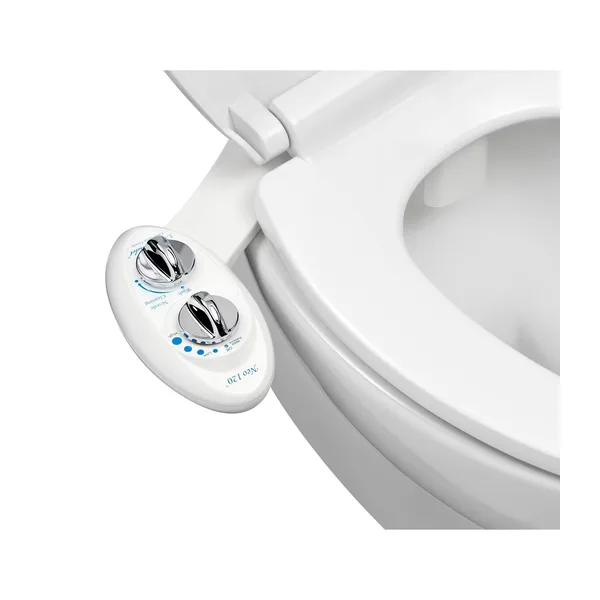
Luxe Bidet Neo 120 - $33.99
Payback period for a family of four: under 4 weeks. The Luxe Neo 120 is a no-frills bidet attachment that does exactly what it needs to: clean effectively with water so you use less paper. Installs in 10 minutes. Self-cleaning nozzle. Adjustable pressure. Nothing more, nothing less - and that's the right call at this price.
Check Price on Amazon - $33.99 →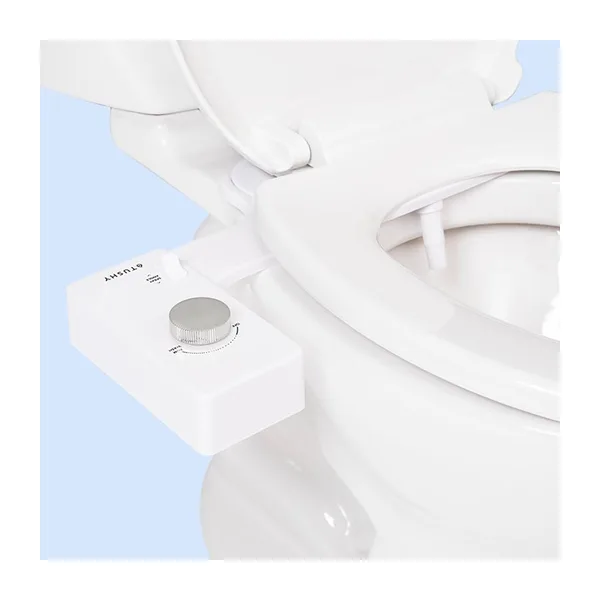
TUSHY Classic 3.0 - $129
At $129, the payback period is about 2-3 months for a family of four. You get better build quality, a pressure control dial, and a more polished design compared to budget attachments. Still no power required, still non-electric. For households where bidet use will be high and long-term durability matters, the TUSHY pays for its premium over a 12-month period.
Check Price on Amazon - $129 →Electric Seats: Higher Cost, Complete Savings
Electric bidet seats cost $279-$600, which means a longer payback period - typically 6-18 months depending on household size. The difference is that electric seats with air dryers eliminate toilet paper use almost entirely, not just reduce it by 75-90%. For a family of four spending $600+/year on paper, a seat that eliminates the cost entirely pays back in under a year.
Electric seats also last 10-15 years with normal use. The 10-year savings for a family of four who eliminates paper entirely: $6,000 minus a $400 seat = $5,600 net savings. Against a $34 attachment, the difference narrows when you factor in the higher upfront cost.
What About Water and Electricity Costs?
A bidet uses roughly 1/8 gallon per use. For a family of four using it 8 times per day, that's 1 gallon per day, about 365 gallons per year. At average US water rates, that's roughly $2-$5/year in water cost - negligible.
Electric bidet seats use about 20-30 watts of standby power and a brief burst during use. Annual electricity cost for an electric seat runs $15-$30. Both are small fractions of the toilet paper savings.
The Savings by the Numbers
- Family of 4, attachment ($34): Saves $450-$540/year. Payback: under 4 weeks.
- Family of 4, electric seat ($279-$549): Saves $500-$600/year. Payback: 6-13 months.
- 10-year net savings (attachment): $4,500+ over the cost of the bidet
- Best budget pick: Luxe Bidet Neo 120 - $33.99
- Best electric pick: Brondell Swash SE400 - $279.99