Bidet vs Toilet Paper: The Real Cost Comparison 2026
By the BidetLabs team | August 2026 | 9 min read
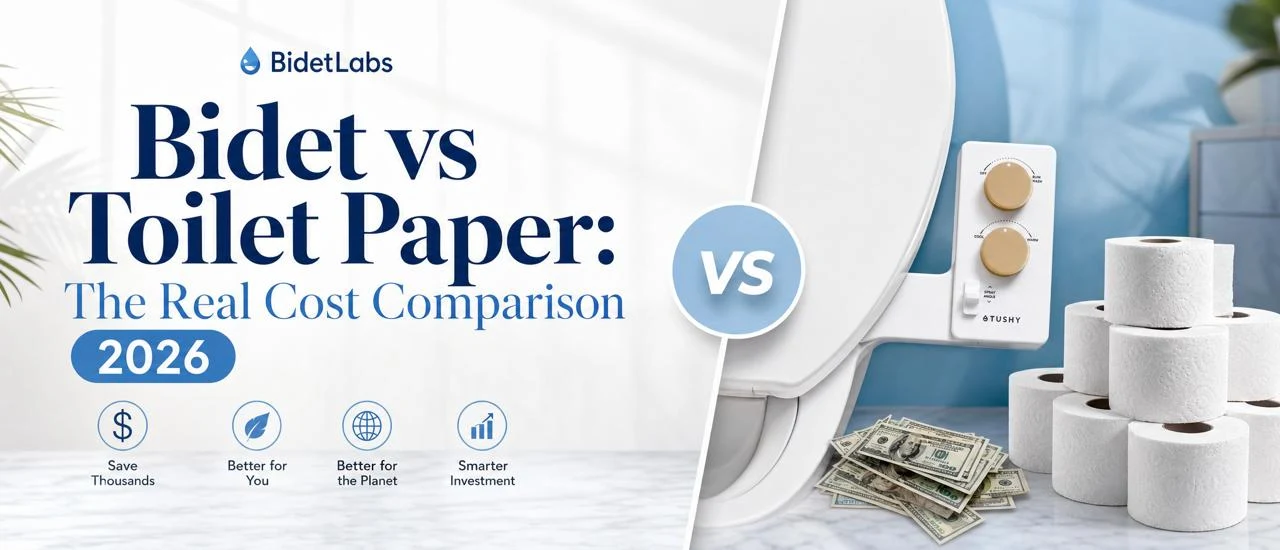
The average American spends $182 per year on toilet paper. A household of four spends between $400 and $600. Over a lifetime, that is a staggering amount of money spent on a product that becomes landfill the moment you use it.
A bidet attachment costs $33.99. It pays for itself in under two months. Here is the full cost breakdown for 2026, including water costs, lifetime savings, and how different bidet types compare.
$182
Average annual toilet paper spend per person
7 wks
Time for a $34 bidet to pay for itself
$1,500+
10-year savings for a household of four
The Toilet Paper Math
The average American uses approximately 100 rolls of toilet paper per year. At current retail prices, that comes to roughly $182 per person annually. For a household of four, expect to spend $400 to $600 per year - and that number has climbed steadily since 2020.
Over a 10-year period, a single person will spend approximately $1,820 on toilet paper. A family of four: $4,000 to $6,000. These are conservative estimates that do not account for future price increases.
The Bidet Math
Bidet users do not eliminate toilet paper entirely - most use a small amount to pat dry after washing. Studies and user reports consistently put toilet paper reduction at 75 to 80 percent after switching to a bidet. At that reduction rate, a person spending $182 per year on toilet paper reduces that cost to approximately $36 to $45 per year.
Annual Savings Breakdown (per person)
How Long Until a Bidet Pays for Itself?
This depends on the bidet you buy. Here is the payback period for the most popular options, based on $182 per year in toilet paper savings at 80 percent reduction:
| Bidet | Price | Payback Period | 10-Year Net Savings |
|---|---|---|---|
| Luxe Neo 120 | $33.99 | ~7 weeks | $1,426 |
| TUSHY Classic 3.0 | $129 | ~11 months | $1,331 |
| Brondell SE400 | $279.99 | ~23 months | $1,180 |
| TOTO Washlet C5 | $410 | ~34 months | $1,050 |
| Brondell 1400 | $549 | ~45 months | $911 |
The pattern is clear: every bidet on this list pays for itself and saves money over any 10-year window. The cheaper the bidet, the faster the payback. But even a $549 premium seat saves nearly $1,000 over 10 years compared to toilet paper alone.
What About the Water Cost?
The most common concern about bidet economics is water usage. It turns out to be almost irrelevant. A bidet uses approximately 0.5 to 1.5 cups of water per use - roughly 120 to 355 milliliters. At US average water and sewer rates of around $0.009 per gallon, a full year of daily bidet use costs under $1 in water. Some municipalities charge more, but even at double the national average the water cost remains negligible.
For comparison: toilet paper production requires approximately 37 gallons of water per roll. The water cost of making the toilet paper you replace with a bidet is hundreds of times greater than the water the bidet uses.
The Environmental Case
Beyond the cost savings, the environmental numbers for bidet use are compelling. Every roll of toilet paper requires approximately 1.5 pounds of wood and 37 gallons of water to produce. The average American flushes through 100 rolls per year, which means 150 pounds of wood and 3,700 gallons of water per person, per year, just for toilet paper production.
Bidets do not produce this waste. The small amount of water used per session is a tiny fraction of the water embedded in producing the toilet paper it replaces. If environmental impact matters to your household, switching to a bidet is one of the higher-leverage individual changes you can make.
Which Bidet Makes the Most Financial Sense?
For pure financial return, the Luxe Bidet Neo 120 at $33.99 is impossible to beat. It pays for itself in 7 weeks and delivers the same core benefit as a $400 seat: a clean water wash. The only things it does not include are a heated seat, warm water, and a dryer - all of which are comfort features, not cleaning ones.
For households that want the full experience - warm water, heated seat, air dryer, remote control - the TUSHY Classic 3.0 at $129 is the best value step up. For a full electric seat with all features, the Brondell SE400 at $279.99 and the TOTO Washlet C5 at $410 are both excellent choices that still save money over toilet paper within their first few years.
Our Top Picks by Value
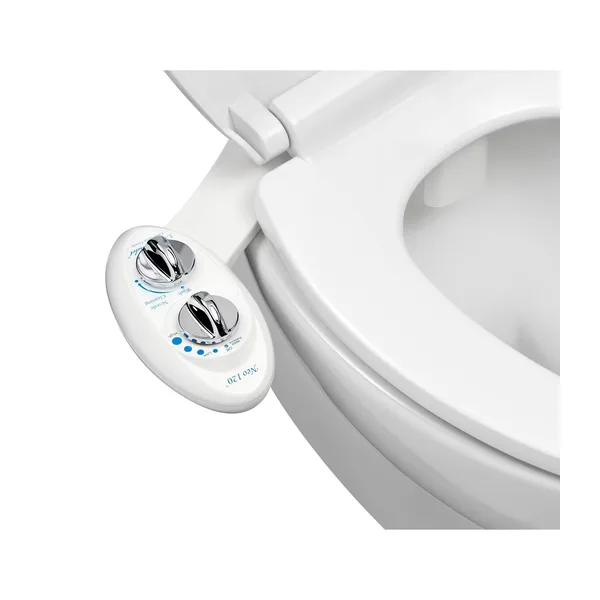
The fastest payback of any bidet. Pays for itself in 7 weeks. Cold water, adjustable nozzle, self-cleaning. 15-minute installation. The right choice if savings are the primary goal.
$33.99 - Payback: 7 weeks
Check Price on Amazon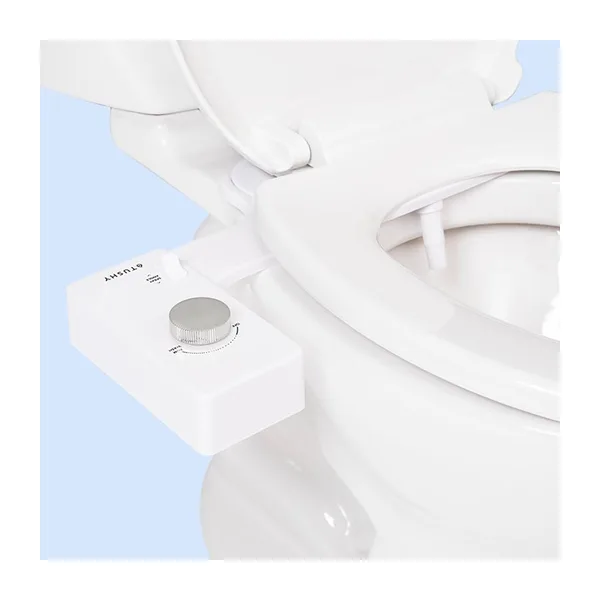
Best step up from basic. Adjustable pressure and angle, stylish design, strong brand support. Pays for itself in under a year. Non-electric, cold water.
$129 - Payback: ~11 months
Check Price on Amazon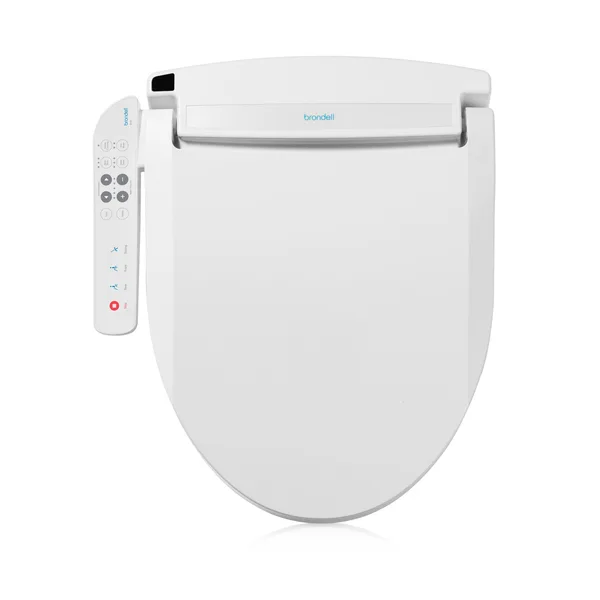
Full electric bidet seat with warm water, heated seat, air dryer, and remote. Pays for itself in under 2 years. Strong build quality with excellent long-term reliability.
$279.99 - Payback: ~23 months
Check Price on AmazonFrequently Asked Questions
How much does the average American spend on toilet paper per year?
Approximately $182 per person. A household of four spends $400 to $600 per year. Prices have risen consistently since 2020.
How long does it take for a bidet to pay for itself?
The Luxe Neo 120 at $33.99 pays for itself in approximately 7 weeks. The TUSHY Classic 3.0 at $129 pays back in under a year. Even a $400 electric seat pays for itself within 3 years for most households.
Do bidets actually save money on toilet paper?
Yes. Bidet users reduce toilet paper consumption by 75 to 80 percent. The remaining usage is for pat-drying only. For a person spending $182/year, this means saving roughly $146 per year on toilet paper alone.
How much water does a bidet use?
Approximately 0.5 to 1.5 cups per use. At US average water rates, annual bidet water costs are under $1 per person - completely negligible compared to toilet paper savings.
Are bidets better for the environment?
Significantly. Each roll of toilet paper requires 37 gallons of water and 1.5 pounds of wood to produce. The average American uses 100 rolls per year. Bidet use eliminates the vast majority of that material and water impact.