Are Bidets Sanitary? Everything You've Been Afraid to Ask
⚡ Quick Answer
Yes - bidets are more hygienic than toilet paper by every measurable standard. Studies show significantly lower bacterial counts after water cleaning vs. paper wiping. The nozzle on quality bidets like the TUSHY Classic 3.0 never touches you and self-rinses before and after each use.
💧 BidetLabs Testing Standard
We buy, install, and test every major bidet on the market - then tell you exactly what to buy. Real reviews. No paid placements.
The #1 reason Americans hesitate to buy a bidet is a vague concern about cleanliness. Ironically, this concern is the strongest argument for owning one. Here's the complete, evidence-based breakdown.
The Hygiene Case for Bidets
Water cleans better than dry paper. This is simply true. If you spilled something on your kitchen counter, you wouldn't wipe it with a dry paper towel and consider it clean. Toilet paper physically moves waste around; water removes it. Multiple studies in dermatology and urology journals confirm that water cleaning produces measurably lower bacterial counts in the perianal region than paper alone.
Toilet paper itself isn't clean. Most commercial toilet paper is chlorine-bleached, contains trace formaldehyde, and may include fragrances and dyes. All of these can cause irritation and microbiome disruption in sensitive tissue. Water has none of these additives.
Toilet paper spreads contamination. Aggressive wiping doesn't just clean - it creates micro-abrasions in delicate tissue, can introduce bacteria from the perianal region to the urinary tract (a leading cause of UTIs in women), and spreads fecal bacteria beyond the target area.
What About the Bidet Nozzle?
This is the most common specific concern: "isn't the nozzle dirty?" The answer depends on the product.
On any quality bidet, the nozzle never touches you - it extends under the seat at an angle, sprays water, and retracts. There's no contact. Additionally, every bidet we recommend includes a self-cleaning nozzle that rinses with clean water before and after each use.
Premium models go further. TOTO's ewater+ technology electrolyzes tap water into a mild sanitizing solution that actively kills bacteria on the nozzle - not just rinsing but sanitizing. The Bio Bidet BB-2000 and Brondell Swash 1400 use surgical-grade stainless steel nozzles, which are inherently more hygienic than plastic.
The research: A 2017 study in the Journal of Wound, Ostomy and Continence Nursing found that bidet users had significantly lower bacterial counts in the perianal region compared to toilet paper users. Japanese clinical literature - where bidets have been standard for 40+ years - consistently shows reduced UTI rates, lower incidence of hemorrhoid complications, and better overall perianal hygiene outcomes in bidet-using populations.
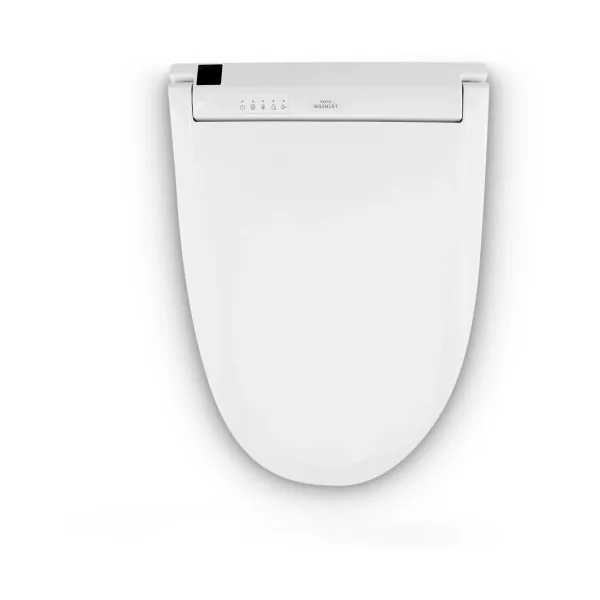
TOTO Washlet C5
ewater+ technology electrochemically sanitizes the nozzle before and after every use. The most hygienically engineered bidet seat available in the US.
- ✓ewater+ nozzle sanitizing (patented)
- ✓Pre-mist bowl before use
- ✓No nozzle contact with body
- ✓TOTO's 40yr hygiene engineering
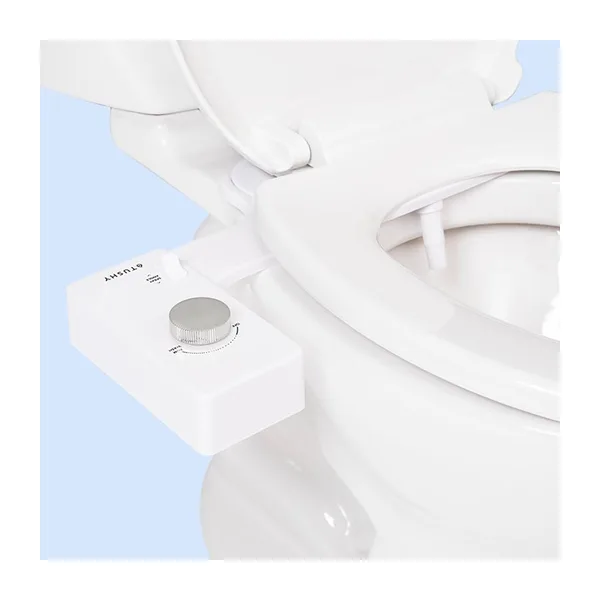
TUSHY Classic 3.0
Self-cleaning nozzle, no-contact spray design, solid ABS housing. The cleanliness baseline for any quality bidet at $99.
- ✓Self-cleaning nozzle (auto pre/post rinse)
- ✓Zero nozzle-to-body contact
- ✓Adjustable pressure to your preference
- ✓15-min install
More hygienic than toilet paper. Immediately.
The TUSHY Classic 3.0 eliminates paper's spreading and friction, replaces it with directed water, and self-cleans before and after each use.
Shop TUSHY Classic 3.0 on Amazon →Frequently Asked Questions
Does a bidet spread bacteria?
No - a quality bidet's nozzle never contacts you. The spray is directed water from below-seat angle. Self-cleaning nozzles rinse before and after each use. There is no bacterial spreading mechanism in normal bidet operation.
Is a bidet seat more hygienic than a bidet attachment?
In terms of nozzle hygiene, electric seats with ewater+ (TOTO Washlet C5) or stainless nozzles (Brondell Swash 1400) are the gold standard. Non-electric attachments like the TUSHY Classic 3.0 have self-cleaning nozzles that are also hygienic - just without the active sanitizing chemistry.
Do bidets remove all bacteria?
Bidets significantly reduce bacterial presence in the perianal region vs. toilet paper. They don't sterilize - but neither does any hygienic routine short of medical-grade antiseptics. The comparison is with toilet paper, not a clean room.