Bidet vs. Wet Wipes: Why Bidets Win Every Time (2026)
Wet wipes feel cleaner than dry paper - so a lot of people assume they're the next best thing to a bidet. They're not. Here's what's actually going on, and why water beats wipes on every metric that matters.
⚡ Bottom Line Up Front
Wet wipes clean better than dry toilet paper - but bidets clean better than both, cost less over time, and don't destroy your plumbing or the planet. The best entry-level bidet is the Luxe Bidet Neo 120 at $33.99 - it pays for itself in about 3 weeks of wipe savings.
In This Guide
1. Hygiene: Which Actually Cleans Better?
Wet wipes do clean better than dry toilet paper - that part is true. The moisture helps lift and remove waste more effectively than dry friction. This is why so many people who haven't tried a bidet reach for wipes as an upgrade.
But here's the thing: you're still smearing. Wet or dry, wiping moves waste around the surface area rather than removing it. You're redistributing bacteria across a larger surface with each pass, which is why multiple wipes are needed and why many people still don't feel truly clean.
Water works differently. A bidet stream rinses waste away from the body rather than smearing it across skin. A 30-second bidet wash removes significantly more bacteria than multiple wipes - including from areas that wiping physically cannot reach. Studies in the Journal of Wound, Ostomy and Continence Nursing and elsewhere consistently show water cleaning reduces fecal contamination more completely than any dry or wet wiping method.
2. Health Risks of Wet Wipes You Probably Don't Know About
Most people don't think of wet wipes as a potential health risk - they feel gentle and soothing. But the ingredients list tells a different story.
The majority of commercially available wet wipes contain preservatives like methylisothiazolinone (MI) and methylchloroisothiazolinone (MCI) - both classified as known allergens and skin sensitizers. The European Scientific Committee on Consumer Safety has flagged these preservatives as unsafe for leave-on skin applications. Wet wipes aren't rinsed off; they dry on the skin, leaving chemical residue in one of the most sensitive and permeable areas of the body.
Repeated use of wet wipes has been associated with contact dermatitis, perianal irritation, and allergic reactions - often misdiagnosed as hemorrhoids or other conditions. Dermatologists have dubbed this "wet wipe dermatitis," and it's surprisingly common among heavy wipe users.
A bidet uses nothing but water. No preservatives, no fragrances, no alcohol, no chemical residue. For people with sensitive skin, eczema, hemorrhoids, IBS, or post-surgical recovery, the difference is clinically significant.
"We see patients regularly who present with perianal irritation they've been managing with more wipes - which only makes it worse. The sensitizing agents in most wet wipes are not appropriate for daily use in that area. Water is always the better answer."
- Representative of the clinical consensus among dermatologists
3. Environmental Impact: Wipes Are an Ecological Disaster
This is where the comparison stops being close and becomes embarrassing for wet wipes.
Most wet wipes - even those labeled "biodegradable" - are made from polyester or polypropylene fibers. They don't break down in water like toilet paper does. A 2019 study found that 93% of material causing sewer blockages (fatbergs) was non-dispersible wet wipes. UK water utilities alone spend over £100 million per year clearing wipe-related blockages.
When wipes make it through sewage systems, they end up in rivers and oceans, where they fragment into microplastics. They've been found in the digestive systems of marine wildlife worldwide.
Bidets use approximately 0.1 gallons of water per use - a small fraction of what was used to produce the toilet paper or wipes being replaced. A bidet has essentially zero ongoing environmental footprint after manufacture. Wipes generate packaging waste, chemical manufacturing waste, and persistent environmental contamination with every single use.
🧴 Wet Wipes - Environmental Cost
- ✗ Made from plastic fibers - don't biodegrade
- ✗ #1 cause of sewer fatbergs worldwide
- ✗ Break into microplastics in waterways
- ✗ Chemical manufacturing at scale
- ✗ Plastic packaging with every purchase
🚿 Bidet - Environmental Cost
- ✓ ~0.1 gallons of water per use
- ✓ Zero ongoing waste after installation
- ✓ Reduces toilet paper use by 70–80%
- ✓ No chemicals, no packaging, no plastic
- ✓ Lasts 5–10+ years with minimal maintenance
4. The True Cost Comparison
Wet wipes feel cheap per pack. But the math over a year is brutal - especially if you're using them as a primary cleaning method.
| Method | Monthly Cost | Annual Cost | 5-Year Cost |
|---|---|---|---|
| Toilet paper only | ~$12 | ~$144 | ~$720 |
| Wet wipes (regular use) | ~$20–30 | ~$240–360 | ~$1,200–1,800 |
| Bidet (budget, e.g. Luxe Neo 120) | ~$3 (TP only for drying) | ~$34 (TP) + $34 bidet cost | ~$204 total |
A $34 bidet pays for itself in about 3 weeks of wipe savings. After that, your only ongoing cost is a fraction of your old toilet paper bill. Over 5 years, a bidet user saves roughly $1,000–1,600 compared to a wet wipe habit. That's real money.
5. The "Flushable" Wipes Myth - Your Plumber Already Knows
"Flushable" wipes are one of the most misleading labels in consumer products. The term is essentially unregulated - there's no standard that wipes must meet to use it. "Flushable" simply means the wipe will go down the drain. It says nothing about what happens next.
Unlike toilet paper, which dissolves in water within seconds, wet wipes hold their structure for weeks or months in plumbing systems. They snag on grease, hair, and other debris in pipes, building up into blockages. A single flush of a "flushable" wipe can take years to fully break down - if it does at all before reaching a waterway.
Plumbers consistently report that "flushable" wipes are among the most common causes of residential drain and sewer line blockages. A single service call to clear a wipe blockage typically costs $150–300. Do that twice a year and you've spent more than the price of a quality bidet.
Bidets produce zero drain waste. The water goes down the drain - that's it. Nothing to clog, nothing to accumulate, no service calls.
⚠️ "Flushable" Doesn't Mean Safe to Flush
The Federal Trade Commission has taken action against multiple wipe manufacturers for misleading "flushable" claims. A 2019 New York City test found that zero of 23 "flushable" wet wipe products actually dispersed safely in water systems. If you're flushing wipes, you're gambling with your plumbing - and losing slowly.
6. Best Bidets to Replace Your Wet Wipes
Ready to make the switch? Here are the best options at every budget - all of which pay for themselves quickly when replacing a wet wipe habit.
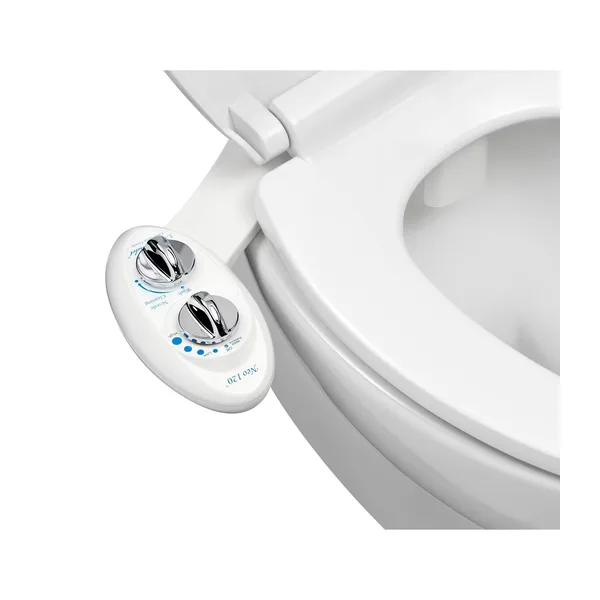
Luxe Bidet Neo 120
The fastest payback of any bidet on the market
At under $35, the Luxe Bidet Neo 120 pays for itself in about 3 weeks if you're spending $12+/month on wipes. Dual nozzle, adjustable pressure, installs in 10 minutes. The most logical first step for any wipe user.
- ✓ Under $35 - fastest ROI on this list
- ✓ Dual nozzle (front + rear)
- ✓ 10-minute install, no tools
- ✓ 4.6 stars · 19,000+ reviews
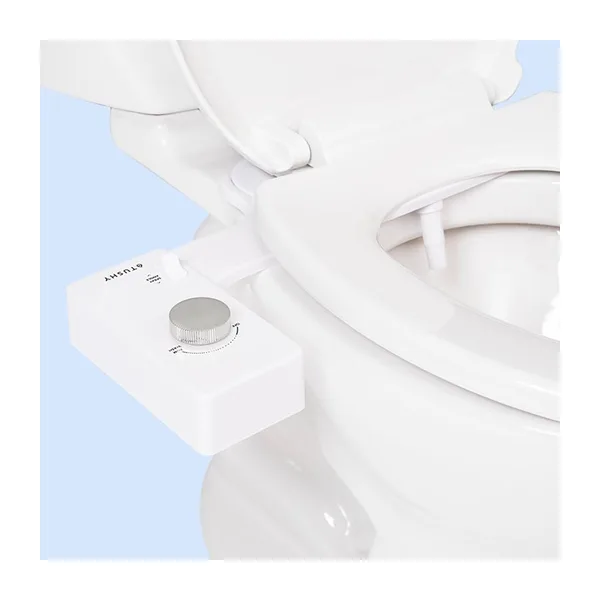
The TUSHY Classic 3.0 is the most popular bidet in America for a reason. Better build than budget options, self-cleaning nozzle, sleek design, and the most intuitive controls on the market. If you want a proper upgrade from wipes that'll last years, this is the one.
- ✓ Self-cleaning nozzle included
- ✓ Adjustable pressure + spray angle
- ✓ Award-winning design
- ✓ 4.8 stars · 28,000+ reviews
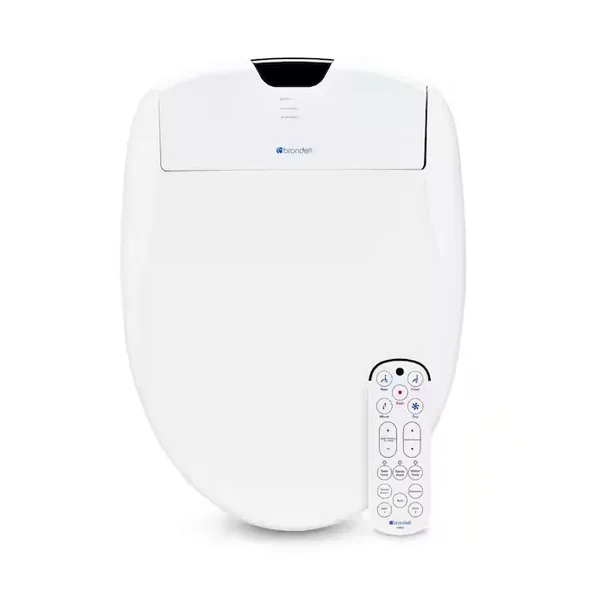
Brondell Swash 1400
Warm water + air dryer = zero paper, zero wipes, forever
If you want to eliminate wipes and toilet paper entirely, the Brondell Swash 1400 is the move. Warm water wash followed by a warm air dryer means you're completely hands-free and paper-free. The luxury version of quitting wipes for good.
- ✓ Warm water + warm air dryer - no paper needed at all
- ✓ Heated seat for year-round comfort
- ✓ Wireless remote with memory settings
- ✓ 3-year warranty + US-based support
Frequently Asked Questions
Are wet wipes better than toilet paper?
Yes - wet wipes do clean more thoroughly than dry toilet paper. But they introduce chemical irritants, cost significantly more, damage plumbing, and harm the environment. A bidet is better than both on all of these dimensions.
Do I still need to use any paper with a bidet?
With a basic non-electric bidet, most people use a small amount of toilet paper for drying - dramatically less than before. With an electric bidet seat that has a warm air dryer (like the Brondell Swash 1400), you can go completely paper-free.
Are "flushable" wipes safe for my pipes?
No. Despite the label, "flushable" wipes do not break down in water the way toilet paper does. They accumulate in pipes and sewers, causing blockages. Every major municipal water authority recommends against flushing any wipes, regardless of the label.
Can a bidet irritate sensitive skin?
Unlike wet wipes, which contain chemical preservatives and fragrances that can irritate sensitive skin, bidets use only water. For people with sensitive skin, eczema, hemorrhoids, or chemical sensitivities, water is almost always better tolerated. Start with low pressure and adjust as comfortable.
How long does it take for a bidet to pay for itself vs. wet wipes?
At average wet wipe spending of $20–30/month, a $34 bidet like the Luxe Neo 120 pays for itself in under 2 months. After that, you're saving $200–300 per year compared to a wet wipe habit.
Ready to make the switch?
Water cleans better, costs less, and doesn't harm your plumbing or the planet. Start with the Luxe Bidet Neo 120 - $34, 10-minute install, and you'll never go back to wipes.