Best Bidet for New Mothers: Postpartum Recovery Guide (2026)
If there's one thing no one tells you before you give birth, it's how uncomfortable the bathroom will be afterward. Toilet paper against sore, swollen perineal tissue is genuinely painful - and that's on a good day. A bidet changes everything. I've tested every major bidet on the market, and for postpartum recovery, a handful of them stand out. Here's exactly what to get and why.
Our Top Pick for New Mothers
TUSHY Spa 3.0 - Warm Water Bidet Attachment
Warm water, gentle pressure, installs in 10 minutes. $149.
Why New Mothers Need a Bidet
Postpartum recovery is hard on your body in ways that aren't talked about enough. Whether you had a vaginal birth with tearing or an episiotomy, or a C-section with abdominal soreness that makes every movement a calculation - the last thing you need is rough toilet paper adding to the discomfort.
Here's what a bidet actually does for you in those first weeks:
- Perineal care without friction. Water cleanses without any physical contact against tender tissue. For stitches or episiotomy healing, this is a genuine game-changer.
- Lochia management. Postpartum discharge (lochia) lasts up to 6 weeks. A bidet keeps you feeling clean without repeated wiping.
- Hemorrhoid relief. Up to 50% of women develop hemorrhoids during pregnancy or delivery. A gentle water stream soothes inflammation far better than dry paper.
- Less reaching and twisting. In the early days, even small movements hurt. A bidet eliminates most of the physical effort of cleaning up.
- Replaces the peri bottle. Hospitals send you home with a peri bottle - a plastic squirt bottle for rinsing. A bidet does the same thing automatically, hands-free, every time.
What Features Matter Most for Postpartum Use
Not every bidet is ideal for postpartum recovery. Here's what to prioritize:
Warm water. This is the most important feature. Cold water is a shock to already-sensitive tissue. Warm water soothes swelling, helps with hemorrhoids, and is simply more comfortable. Non-electric attachments that tap into your hot water supply line are the most affordable way to get warm water.
Adjustable pressure. You want to start very low in the early days. Make sure the bidet you buy lets you dial the pressure down to a gentle rinse, not just a jet stream.
Feminine wash nozzle. A dedicated front-wash nozzle, angled for feminine hygiene, is a plus - especially helpful during the lochia period.
Easy installation. You're not going to be doing a plumbing project a week after giving birth. The best postpartum bidets install in 10–15 minutes with no tools.
Best Bidets for New Mothers - Our Picks
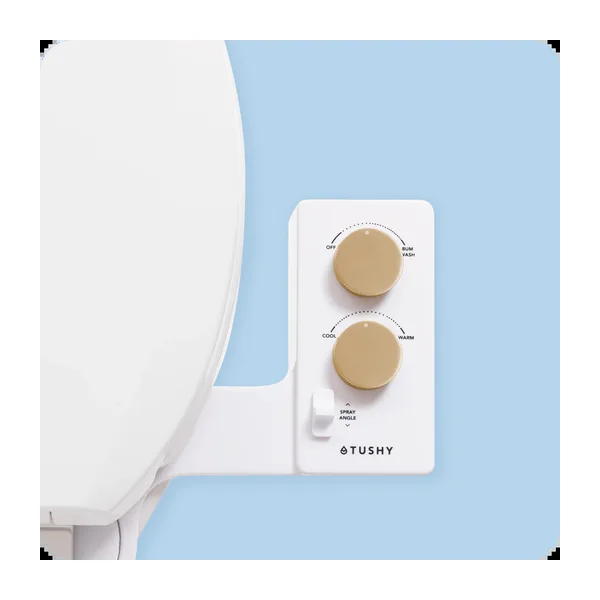
TUSHY Spa 3.0
The TUSHY Spa 3.0 is specifically designed to connect to your bathroom's hot water supply, giving you warm water without any electricity or tank heating. The pressure adjustment knob is simple and intuitive - you can dial it to the gentlest possible setting. Installation takes about 10 minutes and requires no tools. This is the one I'd tell any new mother to buy. The warm water difference for postpartum healing is not subtle.
Pros
- ✓ Warm water from hot supply line
- ✓ Adjustable pressure and temperature
- ✓ Feminine front-wash nozzle
- ✓ Installs without tools in ~10 min
- ✓ Self-cleaning nozzle
Cons
- ✗ Requires hot water line nearby
- ✗ Water cools over long sessions
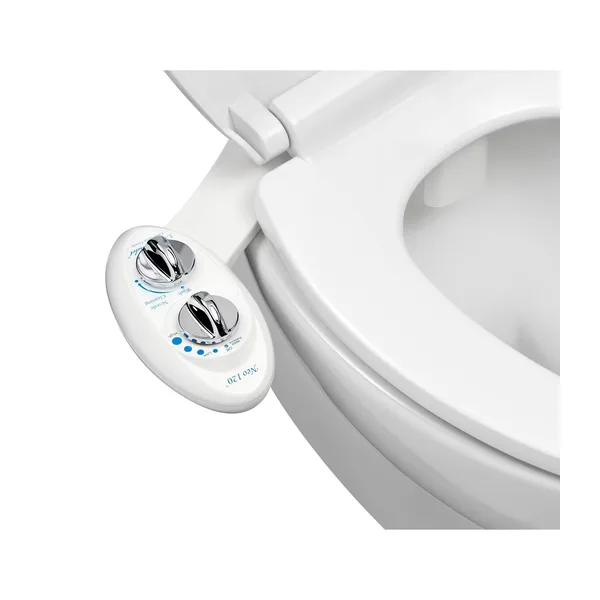
Luxe Bidet Neo 120
If budget is a concern - and with a new baby it often is - the Luxe Bidet Neo 120 is the best entry-level option. It's cold water only, which isn't ideal for the first few weeks of postpartum recovery, but it still beats toilet paper by a mile. The pressure is fully adjustable, the nozzle self-cleans, and it installs in minutes. At under $35, it's an easy decision if you're not ready to spend more.
Pros
- ✓ Under $35 - extremely affordable
- ✓ Adjustable pressure
- ✓ Feminine wash nozzle
- ✓ Self-cleaning nozzle
- ✓ Simple, reliable design
Cons
- ✗ Cold water only
- ✗ Plastic build feels basic
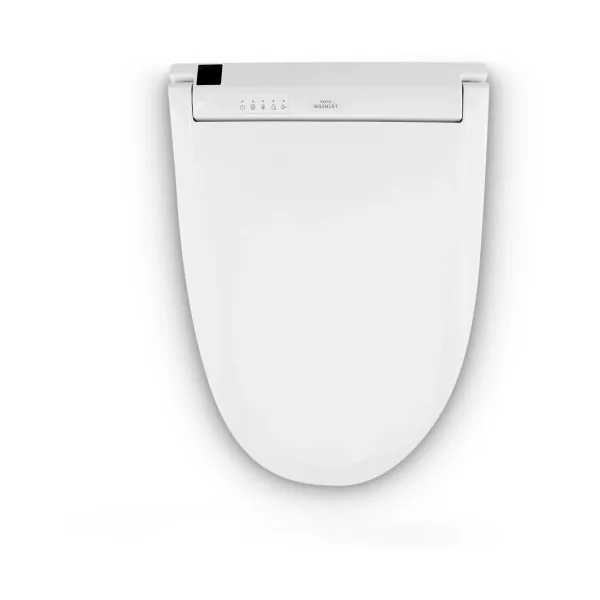
TOTO Washlet C5
If you want the full experience - heated seat, warm water, adjustable everything, remote control - the TOTO Washlet C5 is the gold standard for postpartum recovery. The heated seat alone is a comfort upgrade when sitting is still uncomfortable. The water temperature is precisely controlled, the pressure is feather-light at the lowest setting, and TOTO's ewater+ system keeps the bowl clean. This is the splurge pick - but many new mothers say it was worth every cent.
Pros
- ✓ Heated seat - huge comfort upgrade
- ✓ Precise warm water temperature
- ✓ Remote control (no reaching)
- ✓ Front and rear wash modes
- ✓ Built-in deodorizer
Cons
- ✗ $410 - significant investment
- ✗ Requires electrical outlet nearby
- ✗ Harder to install than attachments
Quick Comparison
| Product | Price | Warm Water | Heated Seat | Front Wash |
|---|---|---|---|---|
| TUSHY Spa 3.0 | $149 | ✓ Yes | - | ✓ Yes |
| TUSHY Classic 3.0 | $129 | ✗ Cold | - | ✓ Yes |
| Luxe Bidet Neo 120 | $33.99 | ✗ Cold | - | ✓ Yes |
| TOTO Washlet C5 | $410 | ✓ Precise | ✓ Yes | ✓ Yes |
Bidet vs. Peri Bottle: Which is Better Postpartum?
Hospitals give new mothers a peri bottle - a small plastic squirt bottle you fill with warm water and use to rinse while sitting on the toilet. It works, but it's clunky. You have to fill it, position it yourself, hold it, and squeeze while managing everything else. A bidet does all of that automatically, hands-free, every single time.
The other advantage: a bidet with adjustable pressure will always deliver a consistent, controlled rinse. A peri bottle depends on how hard you squeeze. For the first week postpartum especially, hands-free is a meaningful difference.
Once you're past the first two weeks and healing is progressing, a cold-water bidet attachment is perfectly fine. In the early days, warm water is strongly preferred.
Ready to upgrade your postpartum recovery?
The TUSHY Spa 3.0 is our top pick - warm water, easy install, $149.
Shop TUSHY Spa 3.0 on Amazon →Can You Use a Bidet After a C-Section?
Yes - and it's actually particularly helpful after a C-section. While the incision is abdominal rather than perineal, postpartum lochia still occurs, and the movement required to wipe conventionally can be uncomfortable with an abdominal wound. A bidet means less twisting, less reaching, and less physical effort during every bathroom visit.
There's no restriction on bidet use after a C-section. Check with your OB if you have any concerns, but generally the answer is yes from day one.
How to Use a Bidet Safely Postpartum
A few practical tips for using a bidet during postpartum recovery:
- Start with the lowest pressure. Turn the pressure knob to the minimum setting for your first use. You can increase it as healing progresses.
- Use warm water if available. Cold water can cause involuntary muscle tension in a sensitive area. If you only have cold water, it still works - just brace yourself initially.
- Pat dry rather than wipe. Even with a bidet, you'll need to dry off. Pat gently with soft toilet paper or a dedicated soft cloth - never rub.
- Position the nozzle correctly. The rear nozzle covers the perineal area for most bidet attachments. Some models have a dedicated front-wash nozzle for the vaginal area - this is worth using during the lochia period.
- Keep it clean. Most bidets have a self-cleaning nozzle function. Run it before each use if it's been sitting for a while.
Frequently Asked Questions
Is it safe to use a bidet right after giving birth?
Yes. Bidets are actually recommended by many OBGYNs and midwives for postpartum hygiene. The gentle water rinse is far less irritating than toilet paper on sensitive healing tissue. Use the lowest pressure setting in the first few days.
Does warm water help with episiotomy healing?
Warm water increases blood flow to the area, which supports healing. It also relaxes muscle tension that cold water can cause. For episiotomy or perineal tear recovery, warm water is strongly preferred over cold for the first 2–3 weeks.
Can a bidet help with postpartum hemorrhoids?
Absolutely. Warm water soothes hemorrhoid inflammation, and eliminating toilet paper friction reduces further irritation. Many women find significant relief from postpartum hemorrhoids by switching to a bidet with a warm water feature.
What's the difference between a bidet attachment and a bidet seat?
A bidet attachment (like the TUSHY Spa 3.0 or Luxe Neo 120) mounts under your existing toilet seat and connects to the water supply. A bidet seat (like the TOTO Washlet C5) replaces your toilet seat entirely and plugs into an electrical outlet. Attachments are cheaper and easier to install. Seats offer more features like heated seating and precise temperature control.
How long does postpartum perineal soreness last?
Most women experience significant soreness for 1–2 weeks, with full healing of perineal tears or episiotomies typically taking 3–6 weeks. Hemorrhoids can persist longer. A bidet is useful throughout this entire period and well beyond.
Is the TUSHY Spa 3.0 really worth $149?
For postpartum use, yes - the warm water feature is the difference-maker. If budget is a concern, the Luxe Bidet Neo 120 at $33.99 still delivers a meaningful improvement over toilet paper alone. But if you can spend the extra amount, the warm water from the TUSHY Spa 3.0 is noticeably more comfortable during recovery.
Can I use a bidet while breastfeeding?
Yes, completely safe. Bidet use has no effect on breastfeeding. Many nursing mothers appreciate the speed and ease of bidet use when they're frequently going to the bathroom with a baby in their arms or nearby.
The Bottom Line
A bidet isn't a luxury for new mothers - it's genuinely useful equipment during one of the most physically demanding recoveries a body goes through. If you get one thing right on your postpartum prep list, make it this. The TUSHY Spa 3.0 is our top recommendation. The Luxe Bidet Neo 120 is the best budget option.
Shop TUSHY Spa 3.0 on Amazon →