Do Bidets Cause UTIs? What Gynecologists Actually Say (2026)
⚡ Quick Answer
No - bidets do not cause UTIs when used correctly. The key is direction: always use the rear nozzle for the anal area and the feminine nozzle aimed front-to-back. The TUSHY Classic 3.0 and most quality bidets angle their feminine wash correctly by design. The risk comes from using the wrong nozzle, too much pressure, or a poorly designed bidet.
💧 BidetLabs Testing Standard
We buy, install, and test every major bidet on the market - then tell you exactly what to buy. Real reviews. No paid placements.
This is one of the most Googled questions about bidets - and the fear is legitimate. UTIs are miserable, and anything that might increase your risk deserves a straight answer. Here's what the research and gynecologists actually say.
The Short Version
Bidets, used correctly, do not increase UTI risk. In fact, a 2017 study published in BJU International found that bidet use was not associated with increased UTI incidence in women. The risk is not in the bidet itself - it's in user error.
Where the Concern Comes From
The concern is anatomical and valid: women's urethras are short and close to the anus. Any rearward-to-forward movement - wiping back-to-front, a misdirected spray - can introduce bacteria to the urethra. That's how UTIs happen.
Early bidets (and cheap, poorly designed ones) sometimes used a single nozzle positioned in a way that could spray in the wrong direction. That's where the fear originated - and it's not entirely unfounded for those specific cases.
How a Quality Bidet Avoids This
Any bidet worth buying has two separate nozzles: a rear nozzle for the anal area and a feminine nozzle angled specifically for front-to-back feminine wash. The nozzle positions and spray angles are engineered to avoid contamination risk.
✅ Safe Practices
- ✓ Use the feminine nozzle - not the rear nozzle - for vaginal area
- ✓ Keep pressure moderate (level 2–3 of 8)
- ✓ Pat dry front-to-back after use
- ✓ Clean nozzle monthly per manufacturer instructions
⚠️ Risk Factors to Avoid
- ✗ Using the rear nozzle for feminine wash
- ✗ Maximum pressure on sensitive tissue
- ✗ Never cleaning the nozzle
- ✗ Using a bidet with a single nozzle (no separate feminine wash)
What About Vaginal Flora?
A reasonable concern is whether water could disrupt the vaginal microbiome. The research here is reassuring: the feminine wash nozzle on a standard bidet is aimed at the external vulvar area, not internally. The water doesn't enter the vaginal canal during normal bidet use.
A 2019 study in the Journal of Urology found no significant difference in vaginal flora between bidet users and non-users when the bidet was used as directed.
Are There Women Who Should Be More Careful?
Yes. If you're pregnant, have a history of recurrent UTIs, or are immunocompromised, talk to your OB or gynecologist before starting bidet use. That said, most OBs actively recommend bidets during pregnancy and postpartum for the exact opposite reason - they reduce irritation and the wiping that can introduce bacteria.
The general gynecological consensus: bidets are safe and beneficial for most women, provided you're using a quality product with a dedicated feminine nozzle.
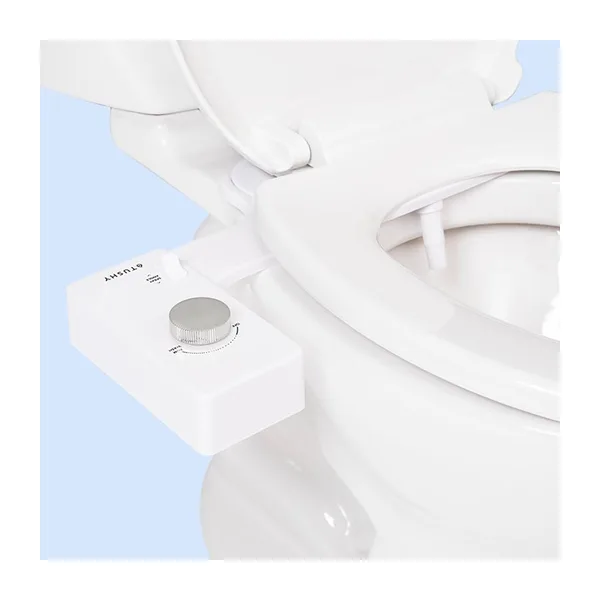
TUSHY Classic 3.0 - $129
Dedicated rear and feminine nozzles. The feminine nozzle is angled correctly - front-to-back, external only. Eight pressure levels so you can start very gentle. The right starting point for most women.
- ✓ Separate feminine nozzle
- ✓ 8 adjustable pressure levels
- ✓ Self-cleaning nozzle
- ✓ 15-min install, no tools
What If I Already Have a UTI?
Skip the bidet until the infection clears. When you're actively dealing with a UTI, the urethra is already inflamed - this isn't the time to introduce any new variables. Resume normal bidet use once you've completed your antibiotic course and symptoms have resolved.
The Bottom Line
The bidet-causes-UTIs fear is based on a real risk (poor nozzle design + incorrect use) that's been applied too broadly. A quality bidet with a proper feminine nozzle, used correctly at moderate pressure, does not increase UTI risk - and for many women, it reduces irritation compared to repetitive wiping.
If you've been holding off on a bidet because of this concern, the concern is understandable but probably not stopping you from the right decision.
The Right Bidet for Women
Separate feminine nozzle, correct angle, 8 pressure levels. The TUSHY Classic 3.0 is what most gynecologists would point you toward.
Shop TUSHY Classic 3.0 on Amazon →Frequently Asked Questions
Can bidet water cause a UTI?
Water itself doesn't cause UTIs - bacteria do. The risk with any bidet is if back-to-front water movement carries anal bacteria toward the urethra. A quality bidet with separate, correctly-angled nozzles used at moderate pressure eliminates that risk.
Do gynecologists recommend bidets?
Many do, particularly for postpartum recovery, pregnancy comfort, and women with recurring UTIs or vaginal irritation from wiping. The recommendation is to use the feminine wash nozzle - not the rear nozzle - and keep pressure moderate.
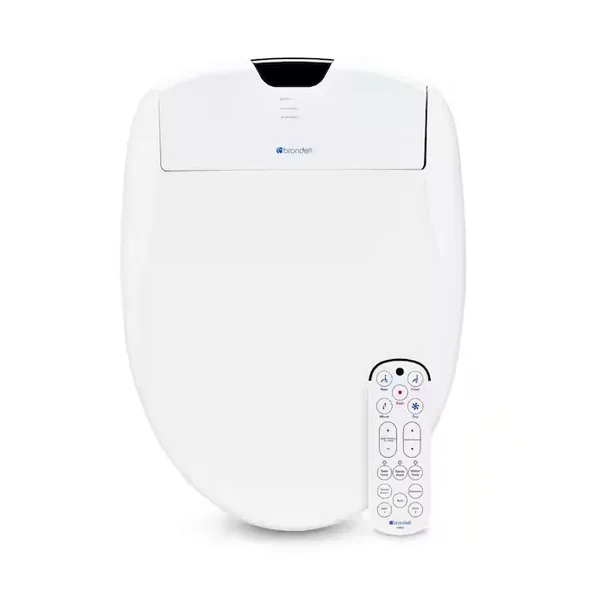
Which bidets have a separate feminine nozzle?
Any quality bidet does. The TUSHY Classic 3.0, Luxe Bidet Neo 120, and Brondell Swash 1400 all have dedicated feminine wash nozzles. Avoid single-nozzle budget bidets under $25 with no separate feminine position.
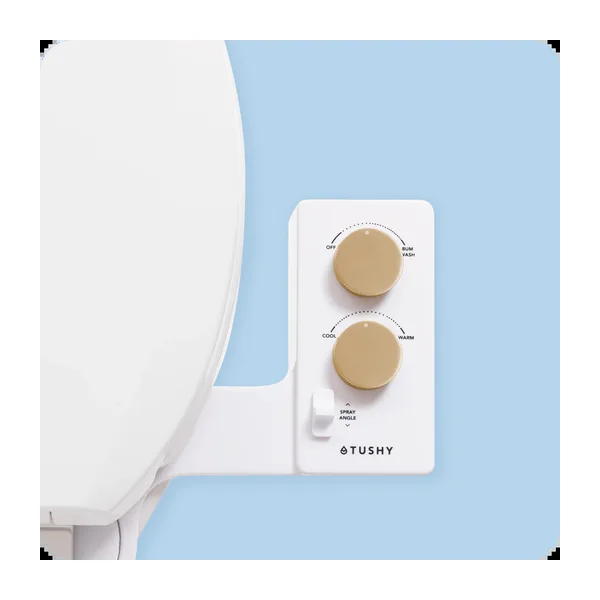
Is it safe to use a bidet during pregnancy?
Yes - and many OBGYNs specifically recommend it during pregnancy and postpartum. The TUSHY Spa 3.0 with warm water is particularly popular for postpartum recovery.