How to Clean a Bidet Nozzle (Step-by-Step Guide 2026)
⚡ Quick Answer
Run the nozzle's self-clean cycle first. Then extend the nozzle manually, wipe with a damp cloth and a few drops of white vinegar or mild soap. Rinse. Do this monthly - more often if you have hard water. Never use bleach on plastic or brass nozzles, and never scrub with anything abrasive.
💧 BidetLabs Testing Standard
We buy, install, and test every major bidet on the market - then tell you exactly what to buy. Real reviews. No paid placements.
In This Guide
Most bidet owners never think about cleaning the nozzle - the self-clean cycle handles the basics automatically. But monthly manual cleaning is worth two minutes of your time, especially in hard water areas. Here's the complete process.
How Often Should You Clean a Bidet Nozzle?
After Each Use
Self-clean cycle (automatic on most bidets - runs itself)
Monthly
Manual wipe-down. The one that actually matters. Set a phone reminder.
Every 3 Months
Deep vinegar soak if you're in a hard water area
Step 1: Run the Self-Clean Cycle First
Every decent bidet has a self-cleaning nozzle. Before you do anything manually, let it do its job. The self-clean cycle extends the nozzle and runs water over it automatically.
How to trigger it: On most attachments (TUSHY, Luxe Neo), turn the dial to the self-clean position and hold for 5–10 seconds. On electric seats (Brondell, TOTO), press the dedicated nozzle clean button on the remote or control panel.
This handles light residue and bacteria. For monthly maintenance, this alone is not enough - proceed to the manual clean below.
Step 2: Manual Cleaning (Monthly)
Extend the nozzle
Turn the bidet dial to a wash setting to extend the nozzle, then turn off the water supply valve. The nozzle stays extended. On electric seats, press the nozzle position button while the seat is empty.
Mix your cleaning solution
Equal parts white vinegar and water in a small cup. Or use a few drops of mild dish soap in water. That's it - nothing fancier needed.
Wipe the nozzle
Dampen a soft cloth or cotton pad with your solution. Wipe along the full length of the nozzle - front to back, all the way around. Pay attention to the tip where the spray holes are. A soft toothbrush works well for the spray holes.
Rinse and retract
Turn the water supply back on and run the self-clean cycle once more to rinse the nozzle. Then turn the dial back to off - the nozzle retracts automatically.
Cleaning an Electric Bidet Seat Nozzle
Electric seat nozzles work the same way, but the nozzle often detaches for easier cleaning. On the Brondell Swash 1400 and TOTO Washlet C5, press the nozzle clean button to extend it and wipe as above. Check your model's manual - some allow full removal for soaking.
For stainless steel nozzles (Brondell Swash series), you can be slightly more aggressive - a soft toothbrush with vinegar solution handles mineral buildup well on stainless without scratching.
Hard Water Buildup: Removing Mineral Deposits
If you're in a hard water area, you'll see white calcium deposits building up on and around the nozzle tip after a few months. White vinegar is the solution - it dissolves calcium without damaging the nozzle material.
🔧 Hard Water Deep Clean
- 1. Extend nozzle and turn off water supply.
- 2. Soak a cloth or paper towel in undiluted white vinegar.
- 3. Wrap the soaked cloth around the nozzle and leave for 15–30 minutes.
- 4. Remove and gently scrub with a soft toothbrush.
- 5. Rinse thoroughly with the self-clean cycle.
- 6. Repeat monthly if deposits are recurring.
What to Never Use on a Bidet Nozzle
❌ Never Use
- ✗Bleach - degrades plastic and rubber seals over time
- ✗Abrasive scrubbers - scratches plastic nozzles, creates spots for bacteria
- ✗Harsh chemical sprays - Scrubbing Bubbles, CLR directly on nozzle - too aggressive
- ✗Boiling water - warps plastic components
✅ Safe to Use
- ✓White vinegar - best all-purpose choice
- ✓Mild dish soap - works well for light cleaning
- ✓Soft cloth or cotton pads - gentle on all nozzle materials
- ✓Soft toothbrush - great for spray holes and deposits
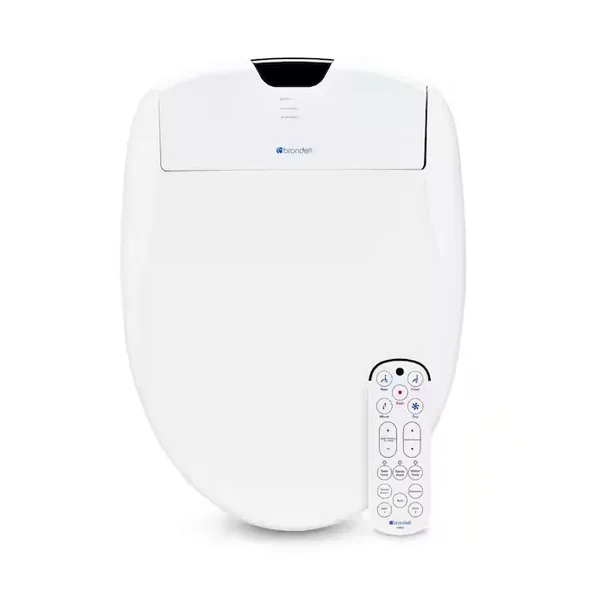
Brondell Swash 1400 - $549
Oscillating stainless steel nozzle with dedicated nozzle clean button. Stainless handles vinegar and scrubbing better than plastic, and the oscillating motion means the full nozzle surface gets water contact on every use. The easiest electric seat nozzle we've maintained in testing.
Check Price on Amazon →Frequently Asked Questions
Does a bidet nozzle self-clean automatically?
Yes - most bidets run a brief self-clean cycle before and after each use, rinsing the nozzle with fresh water. This handles daily hygiene. Monthly manual cleaning is still recommended for thorough maintenance.
How do I know if my bidet nozzle needs cleaning?
Visible white buildup (mineral deposits), a weaker or uneven spray pattern, or discoloration at the nozzle tip are all signs it's time for a manual clean. If you're on a monthly schedule, you'll rarely see any of these.
Can I remove the bidet nozzle completely to clean it?
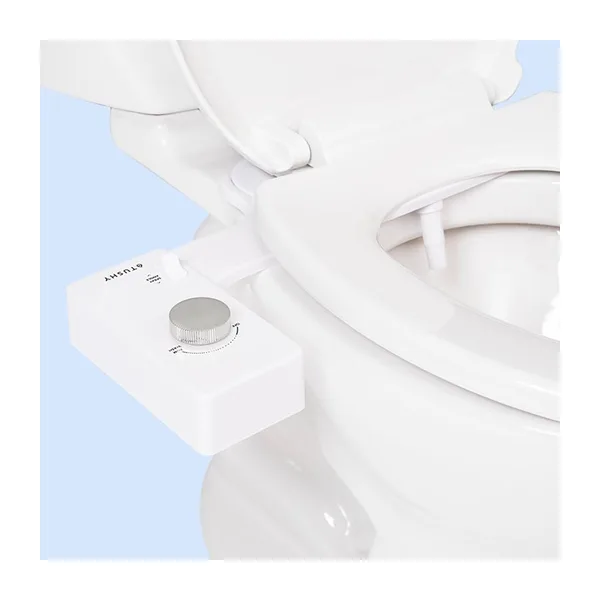
Depends on the model. Some electric seats (check your manual) allow full nozzle removal for soaking. Non-electric attachments like the TUSHY Classic 3.0 don't detach but clean easily extended in place.
Is vinegar safe for all bidet nozzles?
Yes - diluted white vinegar (50/50 with water) is safe for plastic, stainless steel, and chrome nozzles. For stubborn mineral deposits, undiluted vinegar for a 15-minute soak is fine. Rinse thoroughly after.