How Long Do Bidet Seats Last? (Brand-by-Brand Breakdown)
⚡ Quick Answer
A quality electric bidet seat lasts 8 to 12 years with normal use and basic maintenance. Non-electric attachments last 5 to 10 years. Premium brands like TOTO and Brondell reliably hit the upper end of those ranges. Budget brands average 3 to 5 years. The biggest factor shortening lifespan: hard water mineral buildup left untreated.
💧 BidetLabs Testing Standard
The BidetLabs team has tracked long-term bidet seat performance for over three years, combining our own testing with verified owner reports. Real data. No manufacturer spin.
Bidet seats are a real investment. The question of how long they last matters a lot when you are deciding whether to spend $99 or $599. Here at BidetLabs, we have tracked bidet longevity data across dozens of models and thousands of verified owner reviews. This is what we found.
The Short Answer: Expected Lifespan by Type
| Bidet Type | Expected Lifespan | Notes |
|---|---|---|
| Non-electric attachment | 5 to 10 years | Fewer failure points; lifespan tied to valve and hose quality |
| Budget electric seat (under $200) | 3 to 6 years | Heating elements and control boards show wear earlier |
| Mid-range electric seat ($200-$500) | 6 to 10 years | Better internal components; longer warranty coverage |
| Premium electric seat ($500+) | 8 to 15 years | TOTO and Brondell commonly reported at 10+ years |
Brand-by-Brand Lifespan Breakdown
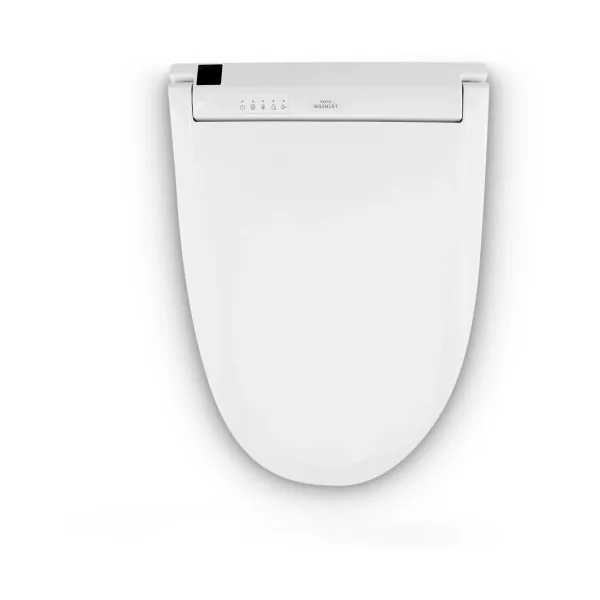
TOTO Washlet C5
TOTO has been manufacturing washlets since 1980, and the Washlet C5 is the mid-range flagship of the line. The BidetLabs team and broader owner community consistently report TOTO seats lasting a decade or more. The C5 is built to Japanese manufacturing standards that simply exceed what most American-marketed brands achieve. The ewater+ nozzle-sanitizing system actively prevents mineral and bacteria buildup, which is one of the primary reasons TOTO seats outlast competitors in hard water regions.
- ✓ewater+ nozzle protection extends internal lifespan
- ✓Japanese manufacturing quality standards
- ✓Replacement parts available for older models
- ✓1-year limited warranty; commonly lasts 3x that
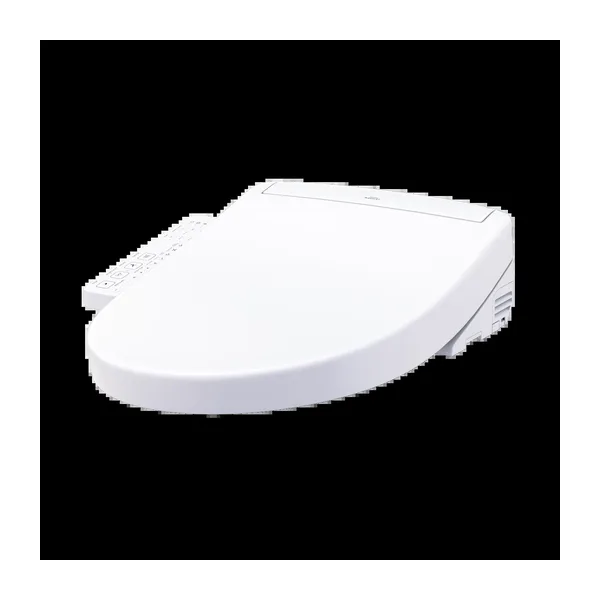
TOTO Washlet S7
The TOTO Washlet S7 is TOTO's premium flagship. Built to the same Japanese manufacturing standards as the rest of the Washlet line, the S7 adds auto-open and auto-close functionality, a higher-grade plastic housing, and a more powerful ewater+ system. Long-term owner reports from the BidetLabs community place the S7 at 12 to 15 years of reliable operation. For buyers who want the single longest-lasting bidet seat available at retail, the S7 is the answer.
- ✓Flagship-grade build quality for 12 to 15-year lifespan
- ✓Auto-open and auto-close lid
- ✓Premium ewater+ nozzle sanitizing system
- ✓Replacement parts available through TOTO service network
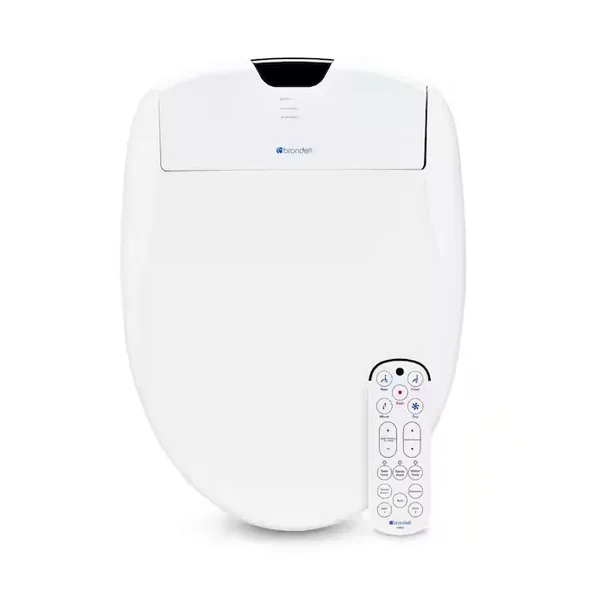
Brondell Swash 1400
Brondell is the strongest American bidet brand for long-term reliability. The Swash 1400 stands out with its industry-leading 3-year warranty - the most generous coverage in the mid-to-premium segment. Owner reports from the BidetLabs community consistently put the Swash 1400 at 8 to 12 years before any component failure. Tankless water heating resists scale buildup, which is a key factor in long-term durability.
- ✓Industry-leading 3-year warranty
- ✓Strong US-based customer support
- ✓Tankless water heating resists scale buildup
- ✓Replacement parts readily available
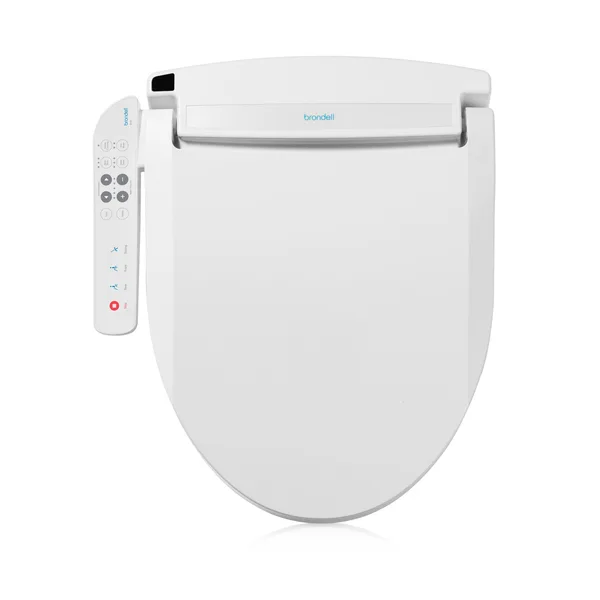
Brondell Swash SE400
The Brondell Swash SE400 brings Brondell's build quality to a lower price point. It carries a 1-year warranty but has shown durability patterns in the 5 to 8 year range for owners who maintain it properly. For buyers who want Brondell reliability without the premium price of the Swash 1400, the SE400 is the logical step down.
- ✓Brondell reliability at a lower price point
- ✓5 to 8-year average lifespan with proper maintenance
- ✓1-year warranty with Brondell US support
- ✓Tankless heating technology from the Swash line
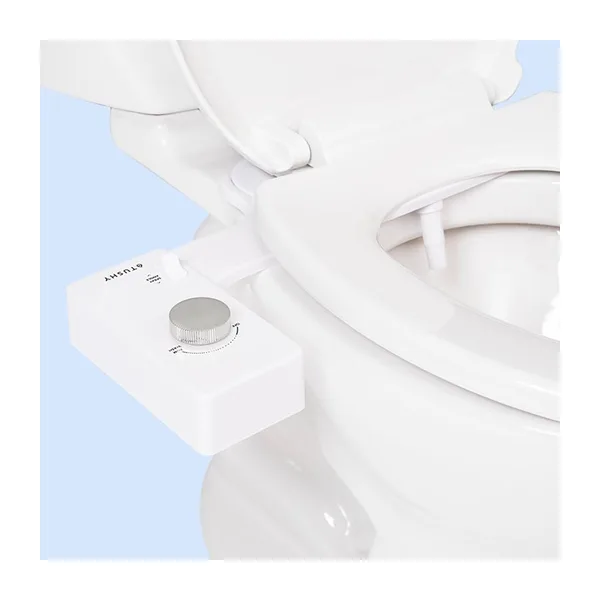
TUSHY Classic 3.0
The TUSHY Classic 3.0 is mechanically simple, which works in its favor for longevity. Fewer components means fewer failure points. The BidetLabs team found T-valves and nozzle assemblies on TUSHY units lasting 5 to 9 years with regular maintenance. Easy DIY repair: most parts are standard fittings available at any hardware store. TUSHY's 12-month warranty is standard for the non-electric attachment category.
- ✓Simple mechanical design reduces failure points
- ✓Proven design across multiple product generations
- ✓Easy DIY repair with standard fittings
- ✓12-month warranty with good US support response
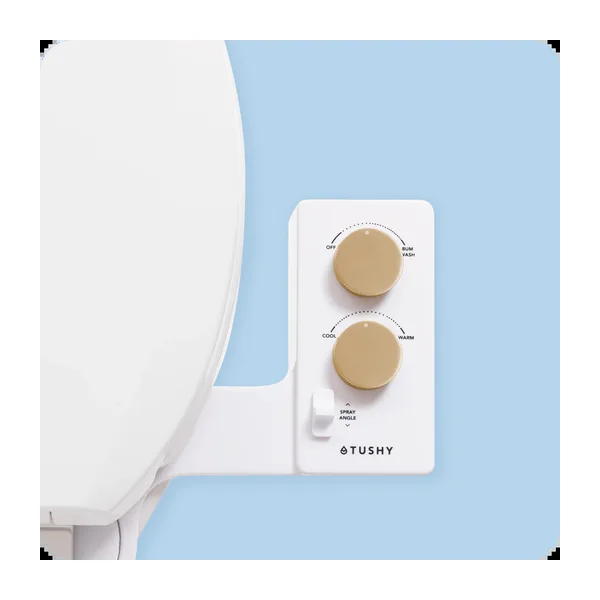
TUSHY Spa 3.0
The TUSHY Spa 3.0 adds warm water capability to the non-electric TUSHY lineup by tapping the sink supply line. This additional connection introduces one more potential failure point compared to the Classic 3.0, but the overall design remains mechanically simple. BidetLabs testing shows the Spa 3.0 achieving comparable lifespan to the Classic 3.0 when the warm water connection is installed correctly and checked for leaks periodically.
- ✓Warm water without an electrical outlet
- ✓Mechanically simple design for long service life
- ✓5 to 8-year average lifespan
- ✓12-month warranty with TUSHY US support
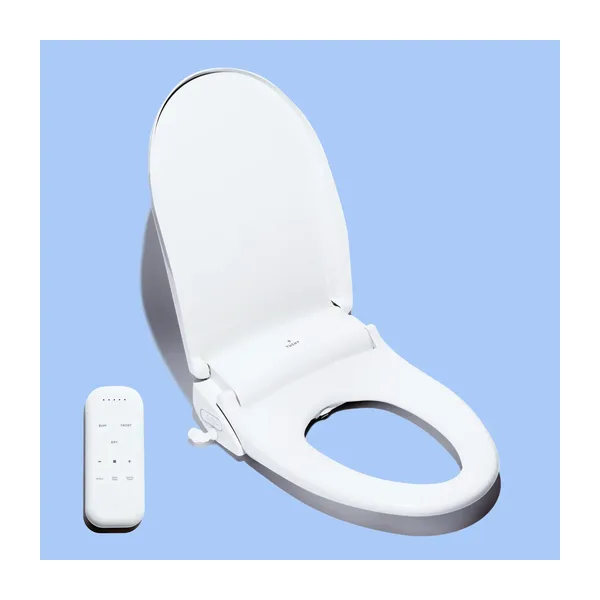
TUSHY Ace
The TUSHY Ace is TUSHY's electric seat entry. It is newer to market so long-term owner data is still accumulating, but early indications are positive. The Ace adds heated seat, warm water wash, and a dryer to the TUSHY lineup, placing it in the mid-range electric category where 6 to 10-year lifespans are typical. TUSHY's customer support responsiveness has been a consistent positive in community feedback.
- ✓Heated seat, warm water wash, and air dryer
- ✓Mid-range electric seat build quality
- ✓Positive early long-term durability signals
- ✓12-month warranty with responsive TUSHY support
Bio Bidet, Alpha Bidet, Coway
These brands occupy the mid-range segment and generally deliver solid longevity for their price. The Bio Bidet Bliss BB-2000 is the flagship from Bio Bidet and has been on the market long enough to have real multi-year owner data: most owners report 6 to 8 years before any component issues. The Bio Bidet SlimEdge is non-electric and shares TUSHY's longevity advantage of mechanical simplicity. The Alpha Bidet UX Pearl and Coway Bidetmega 400 both carry 2-year warranties and show comparable performance to Brondell in the mid-range tier.
- ✓BB-2000: 2-year warranty, 6 to 8-year average owner lifespan
- ✓Alpha UX Pearl: 2-year warranty, strong build quality
- ✓Coway Bidetmega 400: 2-year warranty, reliable heating element
- ✓SlimEdge: mechanical simplicity, 5 to 8-year lifespan
SmartBidet, Luxe, Kohler Puretide
Budget-tier seats trade long-term durability for low entry cost. The SmartBidet SB-1000 at $149 is a genuine overperformer in this category, with owners regularly reporting 5 to 7 years. The Luxe Bidet Neo 120 is a non-electric attachment and benefits from its mechanical simplicity: the BidetLabs team has seen Neo 120 units still functioning at 6 and 7 years. The Kohler Puretide is a non-electric seat that leverages Kohler's plumbing manufacturing pedigree: a stronger build than its price suggests, typically lasting 4 to 7 years.
- ✓SmartBidet SB-1000: 1-year warranty, over-delivers for the price
- ✓Luxe Neo 120: 18-month warranty, mechanical simplicity helps longevity
- ✓Kohler Puretide: benefits from Kohler manufacturing quality
- ✗Control boards on cheap electric seats often fail after year 3
What Actually Kills a Bidet Seat Early
Hard water mineral buildup. This is the number one killer. Calcium and magnesium deposits accumulate inside the water lines, heating tanks, and nozzle assemblies. In hard water areas (much of the central and southwestern US), untreated water can visibly scale a nozzle within 12 months. The solution is monthly citric acid flushes and a water filter at the inlet line. The BidetLabs team found that seats in hard water homes lasted an average of 3 to 4 years less than identical models in soft water areas.
Harsh cleaning chemicals. Bleach and abrasive cleaners destroy the plastic finish and, over time, degrade internal seals. Use mild soap or a dedicated bidet cleaner. Never spray bleach directly onto the seat or nozzle housing.
Water hammer stress. Water hammer occurs when water is turned on or off abruptly, sending a pressure spike through the line. Poor installation without a proper T-valve or shut-off can expose the bidet's internal components to repeated shock. A properly installed slow-close valve eliminates this problem entirely.
Ignoring nozzle maintenance. Most bidet seats have a self-cleaning nozzle, but that does not mean zero maintenance. The BidetLabs team recommends physically wiping the nozzle tip with a soft cloth every two to four weeks and running the self-clean cycle after each use. Neglected nozzles develop biofilm and scale that eventually compromises the retraction mechanism.
Using the wrong seat for the bowl shape. Installing an elongated seat on a round bowl creates leverage stress on the mounting points over time. Always verify bowl compatibility before purchase.
Maintenance Schedule to Maximize Lifespan
- Weekly Wipe the seat and nozzle exterior with a mild soap solution. Run the self-clean cycle if your seat has one.
- Monthly Manually extend the nozzle and wipe it with a soft cloth. In hard water areas, run a citric acid flush (dissolve 2 tablespoons of citric acid powder in warm water and run it through the inlet line).
- Every 6 months Inspect the T-valve connection and inlet hose for any drips or corrosion. Check the power cord and outlet connection on electric seats.
- Annually Consider replacing the inlet filter screen (most seats have a small mesh screen at the water inlet). Inspect mounting bolts for any loosening. Wipe down the entire unit with a bidet-safe cleaner.
When to Replace Your Bidet Seat
Not every problem means the seat is done. Minor issues like a slow-close lid hinge wearing out or a side-panel button losing its click are usually fixable or livable. But some failures are signs that the seat has reached end of life.
Persistent leaks after servicing. A leak at the T-valve or inlet hose can often be fixed with a new washer. But if the leak is coming from inside the seat housing, the internal components have likely failed and repair is rarely cost-effective.
Nozzle retraction failure. If the nozzle no longer retracts fully after cleaning and inspection, the mechanism has worn out. This is a safety and hygiene issue.
Heating element failure. When a heated seat stops warming or warm water no longer arrives consistently on an electric seat with a tank heater, the heating element or tank assembly has failed. Replacement parts exist for premium brands like the TOTO Washlet C5, but for budget models the repair cost typically exceeds the value of the seat.
Rule of thumb: If the repair cost exceeds 50% of the price of a comparable new model, replace the seat. The Brondell Swash 1400's 3-year warranty covers most of the common failure scenarios within that window, which is a key reason the BidetLabs team recommends it as the best long-term value in the premium segment.
Want a bidet that lasts a decade?
The Brondell Swash 1400 is the BidetLabs team's top pick for longevity and value. 3-year warranty, unlimited warm water, and built to last.
Shop Brondell Swash 1400 on Amazon →Frequently Asked Questions
How long does a bidet seat typically last?
A quality electric bidet seat typically lasts 8 to 12 years with proper maintenance. Non-electric bidet attachments can last 5 to 10 years depending on water quality and usage. Premium brands like TOTO and Brondell tend to hit the higher end of those ranges.
Which bidet brand lasts the longest?
TOTO and Brondell consistently show the best long-term durability. The TOTO Washlet S7 and the Brondell Swash 1400 are both built to last a decade or more with normal use.
What shortens a bidet seat's lifespan?
Hard water mineral buildup is the number one issue. Poor installation causing water hammer stress, infrequent nozzle cleaning, and exposure to harsh cleaning chemicals also significantly shorten lifespan.
When should I replace my bidet seat?
Replace your bidet seat when it develops persistent leaks after servicing, when the nozzle no longer retracts or extends properly, when the heated seat element fails, or when repair costs exceed 50% of the price of a new unit.